Moving to Japan from Swaziland


What to Expect
Everything you need to know before relocating from Swaziland to Japan — costs, safety, healthcare, and practical first steps.
If you moved from Swaziland to Japan, and you’d need to navigate life in Japanese.
Planning this move? Get up to 5 free, no-obligation quotes from vetted international movers. Get free quotes ↓Get free moving quotes to Japan
We've teamed up with a vetted network of international movers to help MyLifeElsewhere readers plan their move with confidence. Tell us about your move and get up to 5 free, no-obligation quotes in under 2 minutes.
- ✅ Up to 5 quotes from screened movers
- ✅ Licensed and insured providers only
- ✅ 100% free — you choose who contacts you
Who Else Is Making This Move?
How many people actually move from Swaziland to Japan, based on official data.
Who's moving to Japan?
Top countries of origin for Japan's foreign-born residents.
- 775,893
- 456,203
- 335,668
- 275,252
- 204,814
- 58,340



Key Indicator Comparison
Key indicators for anyone considering a move from Swaziland to Japan.
Is it safe?
per 100,000 people per year
per 100,000 people per year
Japan performs significantly better than Swaziland across all safety metrics.
How's the healthcare?
annual government + private spending per person
affects wait times and access to care
WHO index from 0–100 measuring essential service access
share of adults with obesity
per 100,000 people — a proxy for mental health support
Japan generally does better on health & wellbeing, though Swaziland leads in healthcare spending per person.
What about the environment?
deaths attributable to air pollution per 100k people
tonnes of CO₂ emitted per person per year
Swaziland generally does better on environment, though Japan leads in air pollution deaths.
Will I have good infrastructure?
fixed broadband subscriptions — key for remote work
higher means greater strain on freshwater supply
annual consumption — reflects grid capacity
share of households with internet
Japan performs significantly better than Swaziland across all infrastructure metrics.
What are the job prospects?
percentage of the labour force without work
a broad measure of economic output per person
the highest marginal rate on personal income
share of people below the poverty line
Japan generally does better on employment & economy, though Swaziland leads in top income tax rate.
Is it good for families?
average years of life at birth
deaths per 1,000 live births — lower is better
government spending on education as % of GDP
Japan generally does better on family life, though Swaziland leads in education spending.
Sources: World Bank (2021–2025), United Nations SDG Indicators (2019–2021), World Health Organization (2024), Swaziland Revenue Authority (2016), National Tax Agency Japan (2016), The World Factbook (2013). How we calculate this
What's the Climate Like?
Monthly averages — select a city to compare.
Avg. annual high / low
Avg. annual high / low
| Months | Lobamba | Tokyo |
|---|---|---|
| Jan–Mar | 76°/58°F (24°/14°C) | 53°/37°F (12°/3°C) |
| Apr–Jun | 70°/46°F (21°/8°C) | 73°/58°F (23°/14°C) |
| Jul–Sep | 71°/44°F (21°/7°C) | 85°/72°F (30°/22°C) |
| Oct–Dec | 73°/55°F (23°/13°C) | 63°/49°F (17°/9°C) |
View all months
| Month | Lobamba | Tokyo |
|---|---|---|
| Jan | 77°/59°F (24.9°/14.9°C) | 50°/34°F (9.8°/1.2°C) |
| Feb | 76°/58°F (24.5°/14.5°C) | 52°/36°F (10.9°/2.1°C) |
| Mar | 75°/56°F (24.1°/13.4°C) | 58°/41°F (14.2°/5.0°C) |
| Apr | 73°/52°F (22.6°/11.0°C) | 67°/50°F (19.4°/9.8°C) |
| May | 71°/46°F (21.4°/7.9°C) | 74°/58°F (23.6°/14.6°C) |
| Jun | 67°/40°F (19.3°/4.7°C) | 79°/65°F (26.1°/18.5°C) |
| Jul | 68°/40°F (19.8°/4.6°C) | 86°/72°F (29.9°/22.4°C) |
| Aug | 70°/44°F (21.3°/6.6°C) | 88°/74°F (31.3°/23.5°C) |
| Sep | 74°/49°F (23.2°/9.5°C) | 82°/69°F (27.5°/20.3°C) |
| Oct | 73°/52°F (22.8°/11.3°C) | 72°/59°F (22.0°/14.8°C) |
| Nov | 72°/55°F (22.5°/12.9°C) | 62°/48°F (16.7°/8.8°C) |
| Dec | 75°/58°F (23.7°/14.2°C) | 54°/39°F (12.0°/3.8°C) |
Data:
 Eswatini Meteorological Service,
 Japan Meteorological Agency
Visitor Visa Requirements
Short-stay tourist visa rules between Swaziland and Japan. To live, work, or study long-term in Japan, you'll need a separate residence or work visa — check Japan's immigration authority.
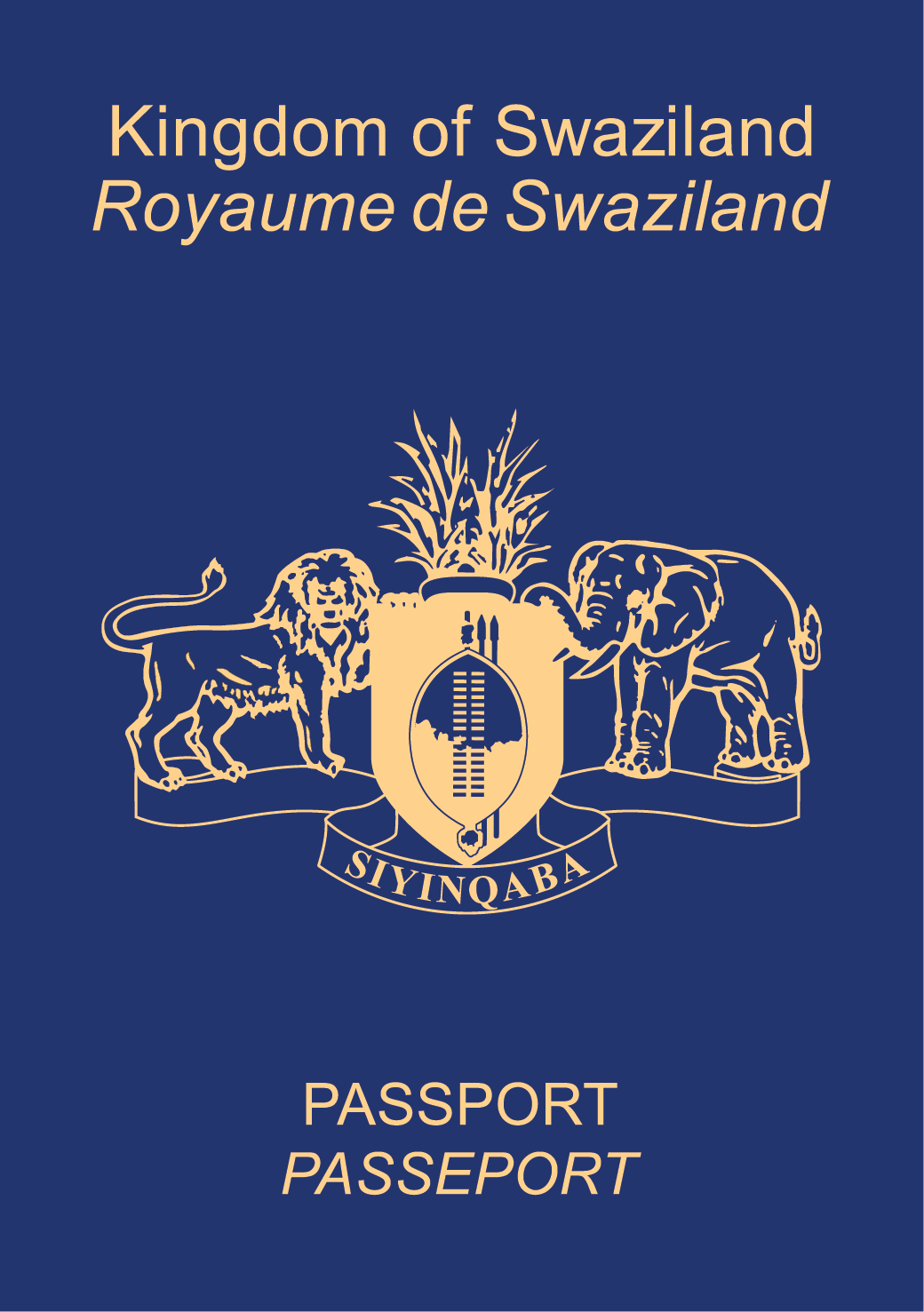
Swaziland passport holder visiting Japan
Visa Required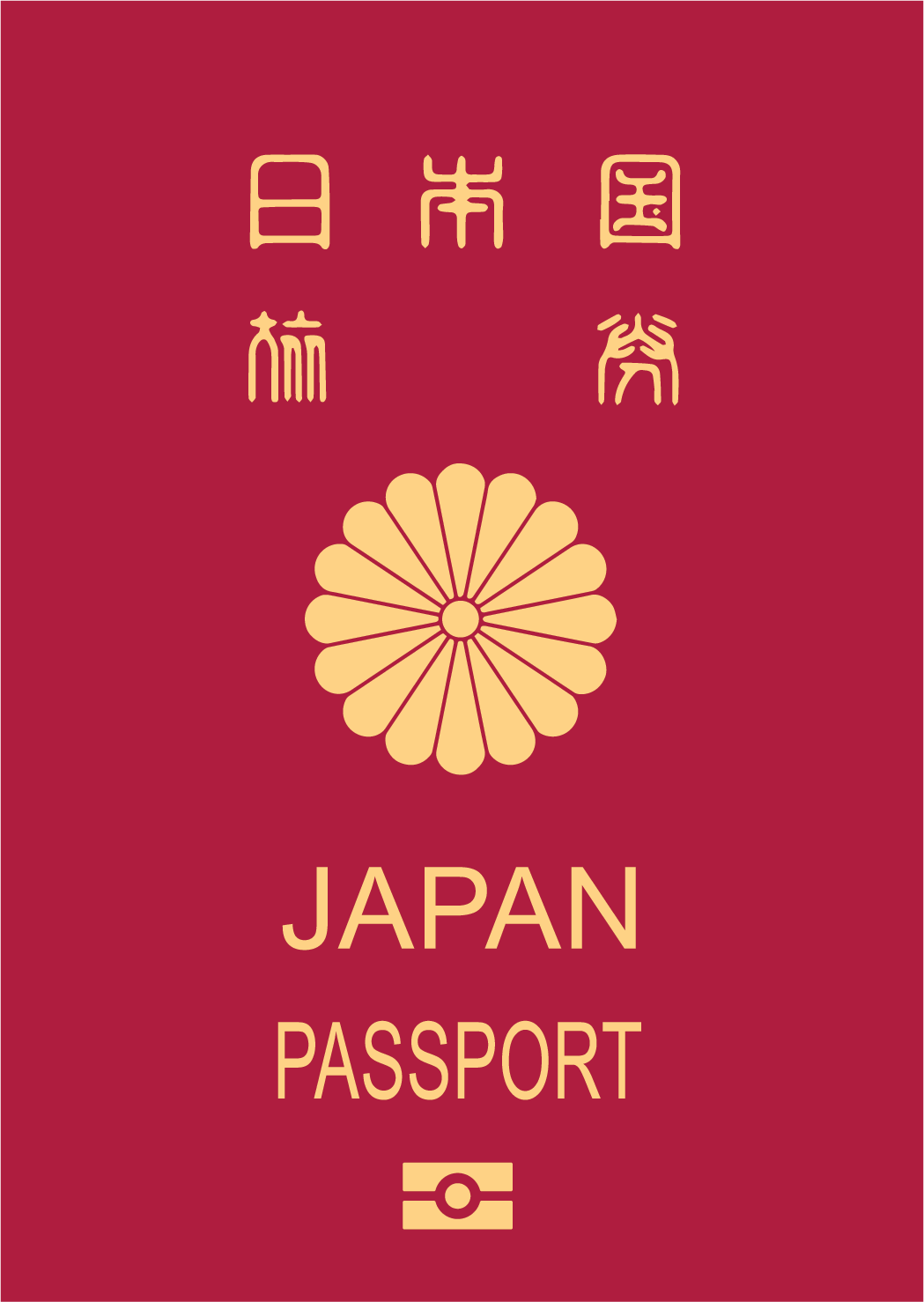
Japan passport holder visiting Swaziland
Visa FreeData: Henley Passport Index. Check with the destination country's embassy for the most current requirements.
Frequently Asked Questions
Can I work remotely from Japan?
Internet is rarely the blocker — Japan has 38.6 fixed broadband subscriptions per 100 people. The real questions are legal: digital nomad visa eligibility, your employer's overseas-work policy, and tax residency in both countries.
Is Japan safe for expats?
Japan performs significantly better than Swaziland across all safety metrics. The homicide rate in Japan is 0.2 per 100,000 people, compared to 12.5 in Swaziland.
How is healthcare in Japan compared to Swaziland?
Japan generally does better on health & wellbeing, though Swaziland leads in healthcare spending per person. There are 26.5 doctors per 10,000 people in Japan, compared to 5.6 in Swaziland. Japan scores 83 on the WHO universal health coverage index (Swaziland: 56).
What's the weather like in Japan compared to Swaziland?
The average high temperature in Tokyo is 69°F, compared to 72°F in Lobamba. Tokyo receives around 62.9 in of rainfall per year, while Lobamba gets 56.8 in.
What language do they speak in Japan?
The official language in Japan is Japanese. In Swaziland, the official languages are English and Swazi.