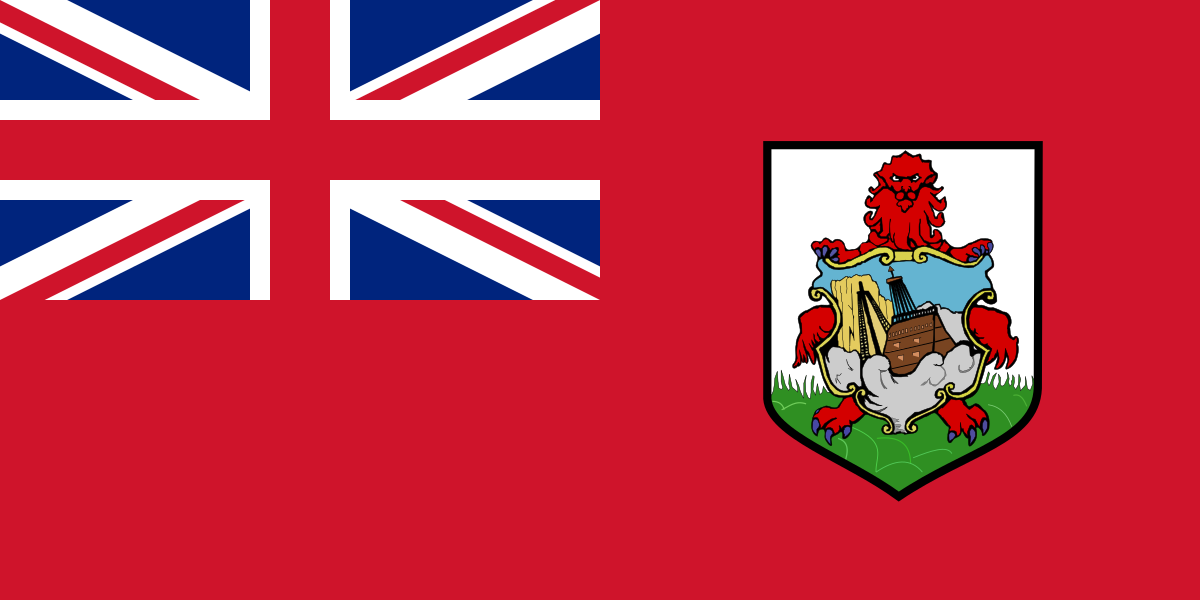
If you lived in Macedonia instead of Turks and Caicos Islands, you would:

Health

live 1.6 years less

In Turks and Caicos Islands, the average life expectancy is 78 years (76 years for men, 80 years for women) as of 2024. In Macedonia, that number is 77 years (74 years for men, 79 years for women) as of 2024.

View global rankings →

Economy

make 72.0% less money

Turks and Caicos Islands has a GDP per capita of $37,507 as of 2024, while in Macedonia, the GDP per capita is $10,490 as of 2025.

View global rankings →

Life

be 16.7% less likely to die during infancy

In Turks and Caicos Islands, approximately 3.0 children (per 1,000 live births) die before they reach the age of one as of 2024. In Macedonia, on the other hand, 2.5 children do as of 2024.

View global rankings →

have 16.5% fewer children

In Turks and Caicos Islands, there are approximately 10.5 babies per 1,000 people as of 2024. In Macedonia, there are 8.8 babies per 1,000 people as of 2024.

View global rankings →

Safety

be 98.0% less likely to be murdered

Turks and Caicos Islands has a homicide rate of 76.3 per 100,000 people as of 2022. In Macedonia, that number is 1.5 per 100,000 as of 2023.

View global rankings →

Environment

emit 18.7% less CO2

Turks and Caicos Islands emits 4.9 tonnes of CO2 per person each year as of 2024. Macedonia emits 4.0 tonnes as of 2024.

View global rankings →


Sources: World Bank (2022–2025). How we calculate this

Macedonia: At a glance

Macedonia is a sovereign country in Europe, with a total land area of approximately 25,433 sq km. Macedonia gained its independence peacefully from Yugoslavia in 1991. Greece's objection to the new state's use of what it considered a Hellenic name and symbols delayed international recognition, which occurred under the provisional designation of "the Former Yugoslav Republic of Macedonia." In 1995, Greece lifted a 20-month trade embargo and the two countries agreed to normalize relations, but the issue of the name remained unresolved and negotiations for a solution are ongoing. Since 2004, the US and over 130 other nations have recognized Macedonia by its constitutional name, Republic of Macedonia. Ethnic Albanian grievances over perceived political and economic inequities escalated into an insurgency in 2001 that eventually led to the internationally brokered Ohrid Framework Agreement, which ended the fighting and established guidelines for constitutional amendments and the creation of new laws that enhanced the rights of minorities. Although Macedonia became an EU candidate in 2005, the country still faces challenges, including fully implementing the Framework Agreement, improving relations with Bulgaria, carrying out democratic reforms, and stimulating economic growth and development. Macedonia's membership in NATO was blocked by Greece at the Alliance's Summit of Bucharest in 2008.
Read more

How big is Macedonia compared to Turks and Caicos Islands? See an in-depth size comparison.

Share this

Ask the Elsewhere Community

Join the Elsewhere community and ask a question about Macedonia or Turks and Caicos Islands. It's a free, question-and-answer based forum to discuss what life is like in countries and cities around the world.