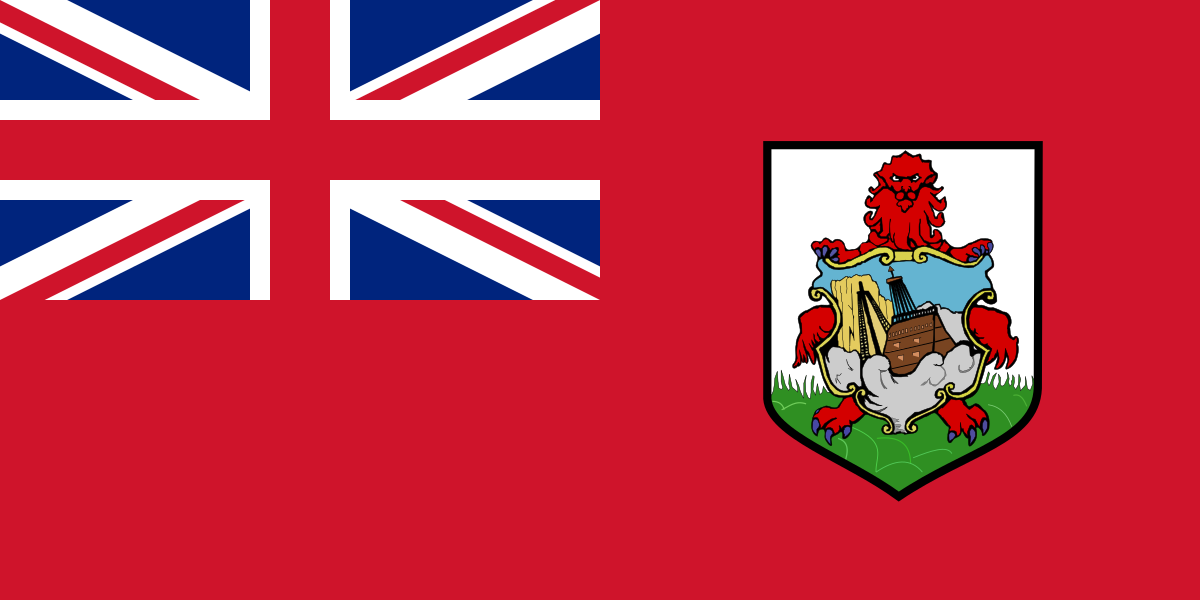
If you lived in Argentina instead of Turks and Caicos Islands, you would:

Economy

make 60.3% less money

Turks and Caicos Islands has a GDP per capita of $37,507 as of 2024, while in Argentina, the GDP per capita is $14,898 as of 2025.

View global rankings →

Life

be 2.7 times more likely to die during infancy

In Turks and Caicos Islands, approximately 3.0 children (per 1,000 live births) die before they reach the age of one as of 2024. In Argentina, on the other hand, 8.0 children do as of 2024.

View global rankings →

Expenditures

spend 69.5% more on education

Turks and Caicos Islands spends 3.0% of its total GDP on education as of 2024. Argentina spends 5.0% of total GDP on education as of 2023.

View global rankings →

Geography

see 12.8 times more coastline

Turks and Caicos Islands has a total of 389 km of coastline. In Argentina, that number is 4,989 km.

View global rankings →

Safety

be 94.1% less likely to be murdered

Turks and Caicos Islands has a homicide rate of 76.3 per 100,000 people as of 2022. In Argentina, that number is 4.5 per 100,000 as of 2023.

View global rankings →

Environment

emit 18.5% less CO2

Turks and Caicos Islands emits 4.9 tonnes of CO2 per person each year as of 2024. Argentina emits 4.0 tonnes as of 2024.

View global rankings →


Sources: World Bank (2022–2025), The World Factbook. How we calculate this

Argentina: At a glance

Argentina is a sovereign country in South America, with a total land area of approximately 2,736,690 sq km. In 1816, the United Provinces of the Rio Plata declared their independence from Spain. After Bolivia, Paraguay, and Uruguay went their separate ways, the area that remained became Argentina. The country's population and culture were heavily shaped by immigrants from throughout Europe, with Italy and Spain providing the largest percentage of newcomers from 1860 to 1930. Up until about the mid-20th century, much of Argentina's history was dominated by periods of internal political conflict between Federalists and Unitarians and between civilian and military factions. After World War II, an era of Peronist populism and direct and indirect military interference in subsequent governments was followed by a military junta that took power in 1976. Democracy returned in 1983 after a failed bid to seize the Falkland Islands (Islas Malvinas) by force, and has persisted despite numerous challenges, the most formidable of which was a severe economic crisis in 2001-02 that led to violent public protests and the successive resignations of several presidents. In January 2013, Argentina assumed a nonpermanent seat on the UN Security Council for the 2013-14 term.
Read more

How big is Argentina compared to Turks and Caicos Islands? See an in-depth size comparison.

Share this

Ask the Elsewhere Community

Join the Elsewhere community and ask a question about Argentina or Turks and Caicos Islands. It's a free, question-and-answer based forum to discuss what life is like in countries and cities around the world.